Bosch
An Expressive Visual Identity for In-Car AI Interaction
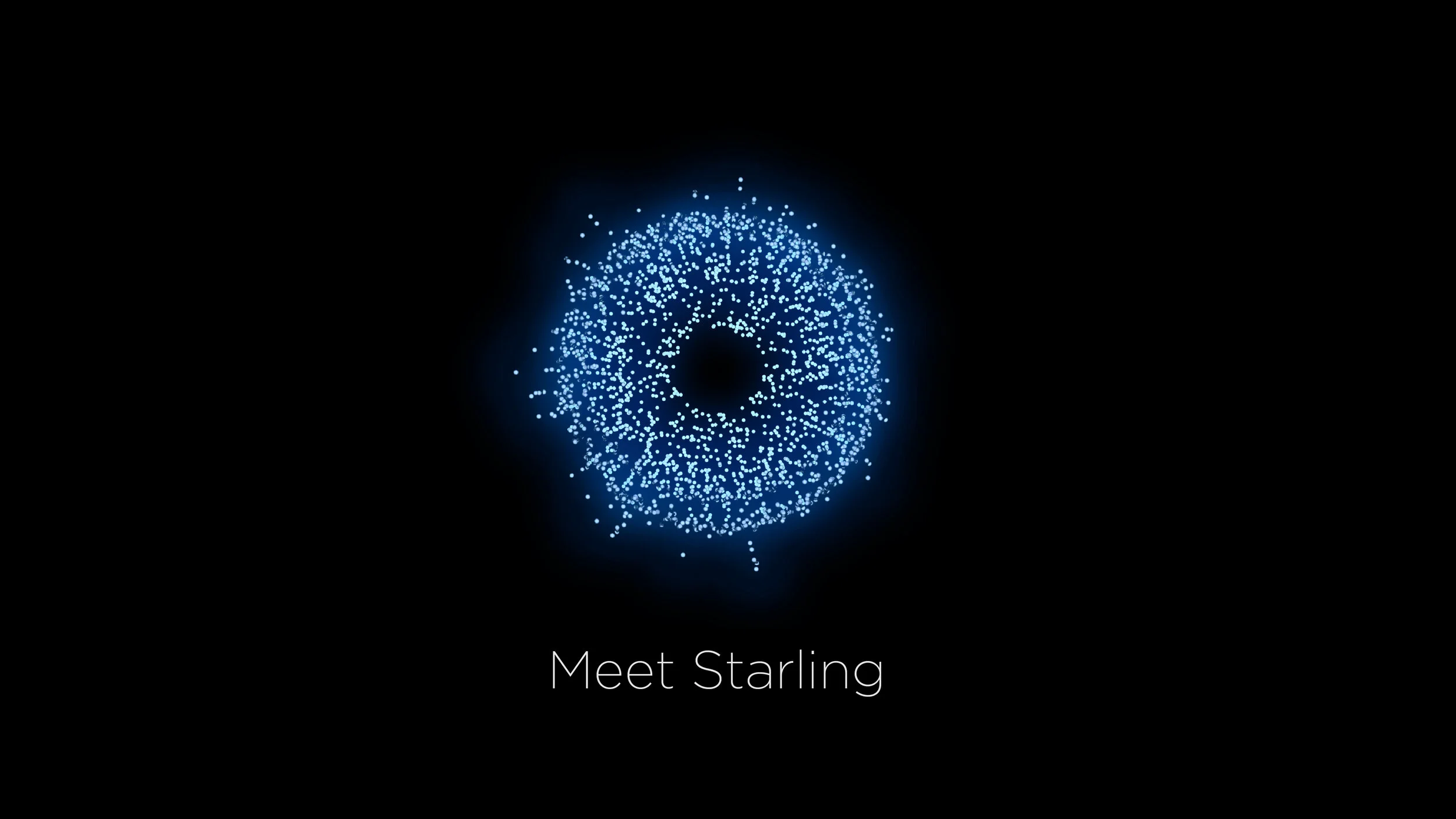
Bosch was exploring the next generation of virtual personal assistants for autonomous vehicles and smart environments, with a focus on how non-visual systems like voice could be made legible, expressive, and emotionally intuitive. The core challenge was to design an abstract, non-human visual language for sound. A system that could communicate presence, intent, and state without relying on a literal avatar.
We led a series of co-creation workshops with Bosch to define how users should feel when interacting with an AI assistant inside an autonomous car. Three experiential pillars emerged as the foundation for the system, guiding how the assistant should express awareness, response, and emotional tone across driving and home contexts.
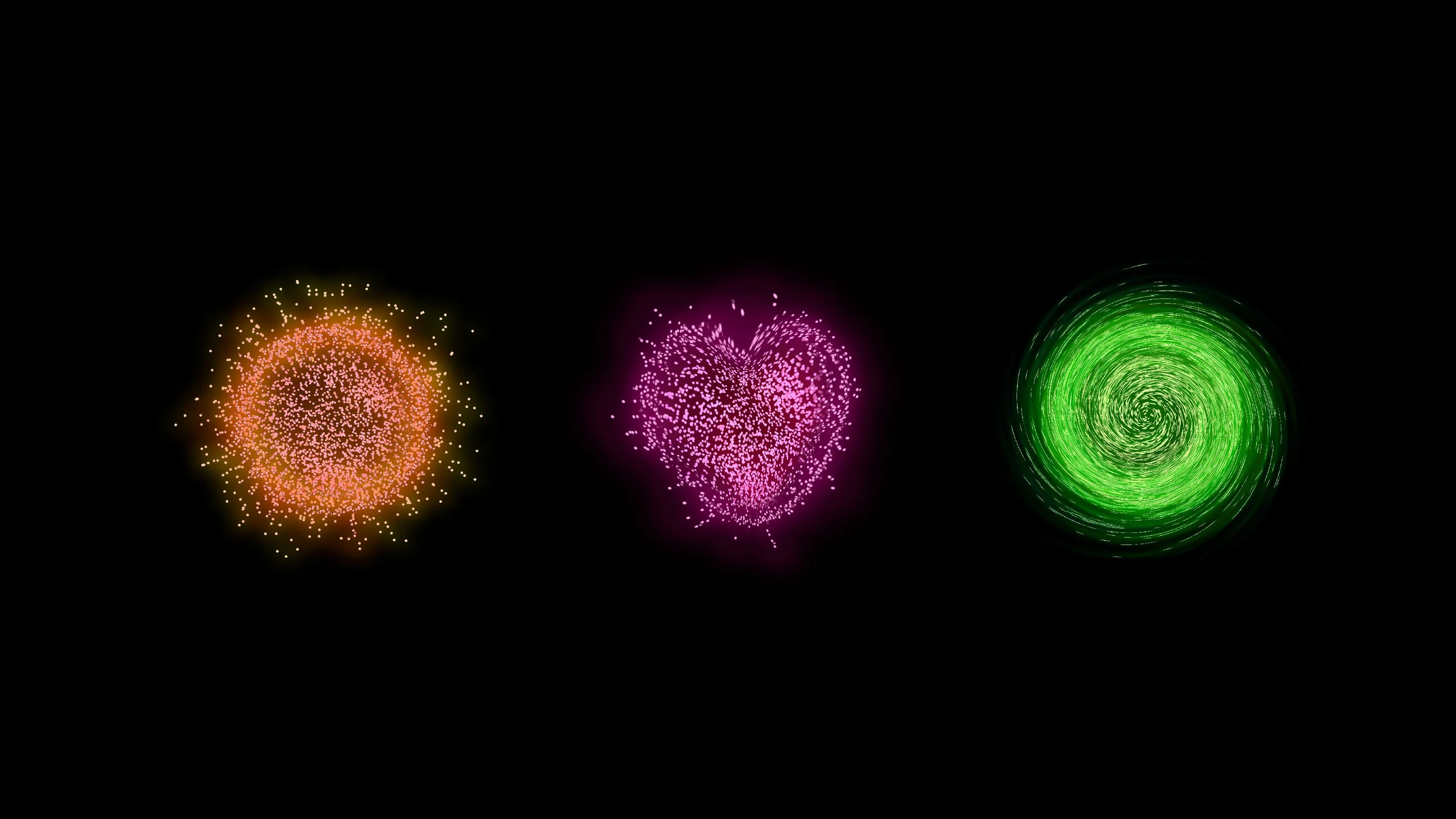
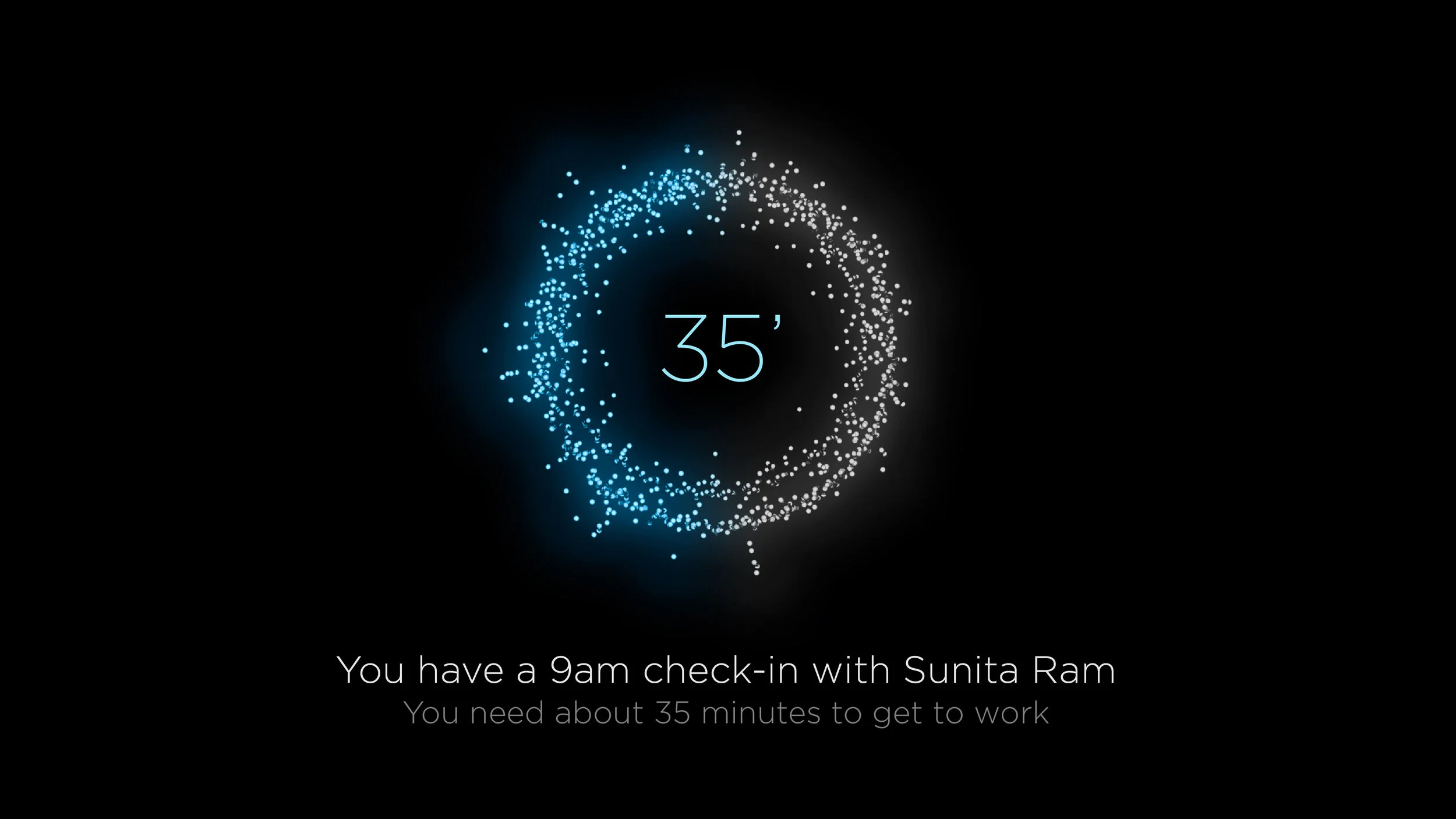
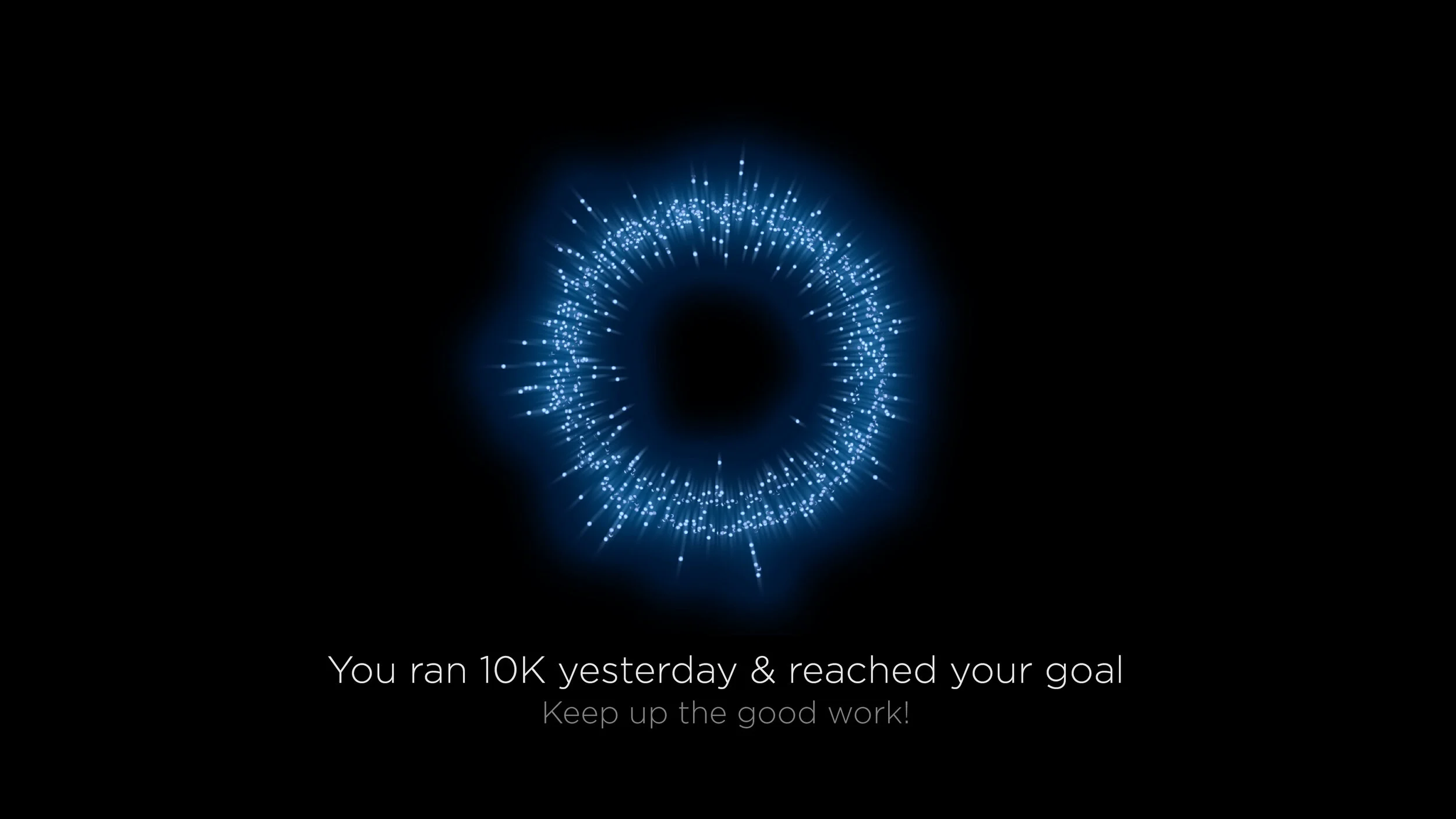
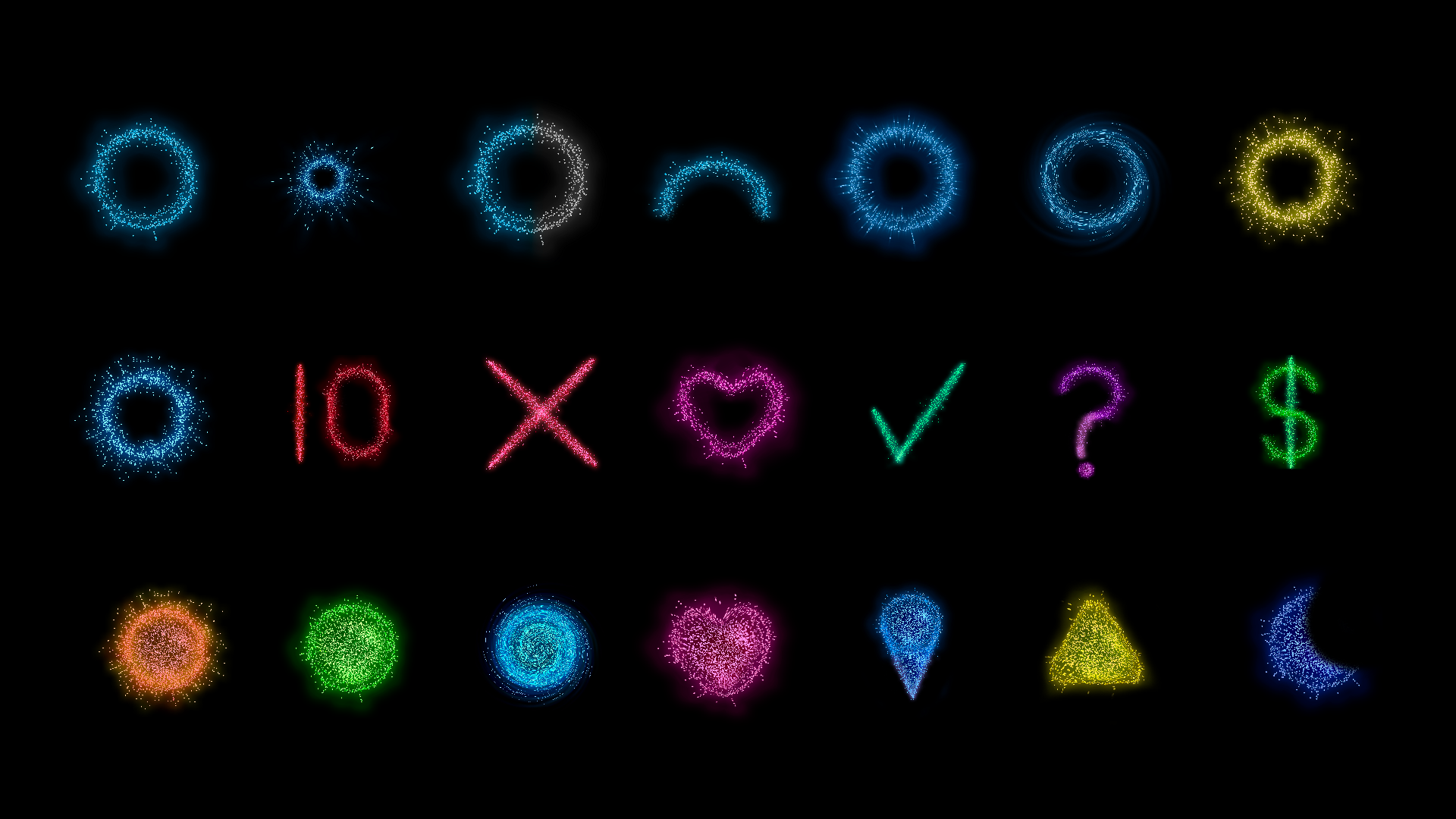
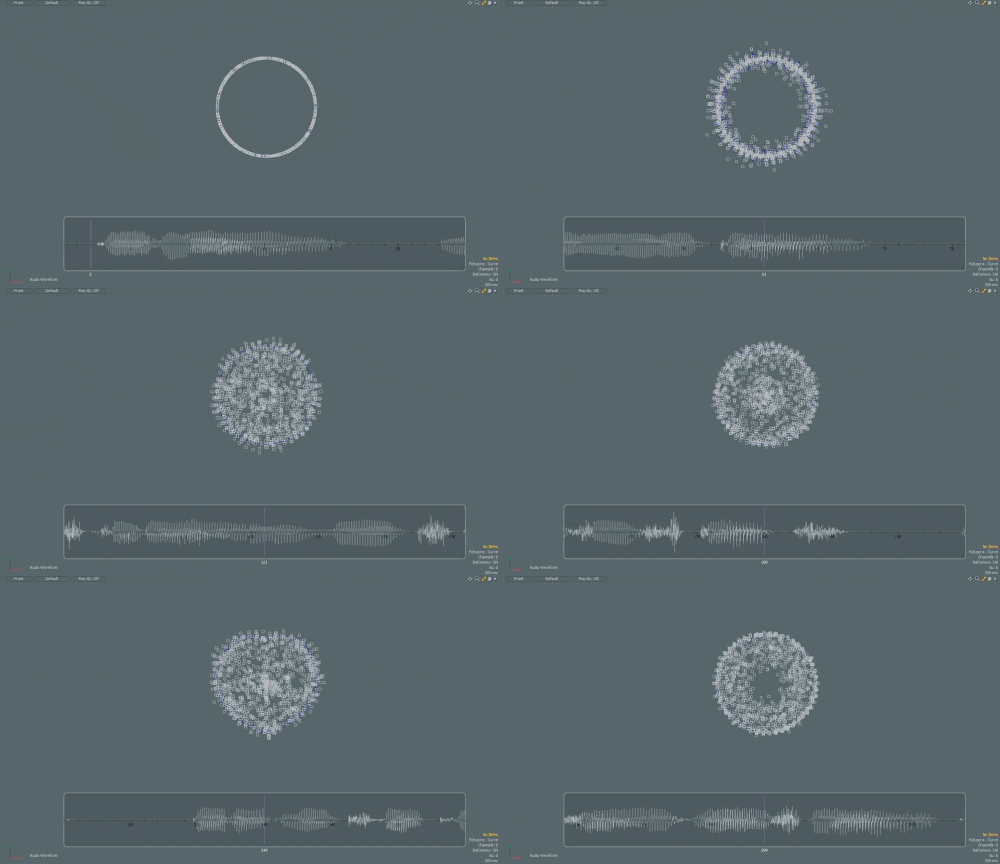
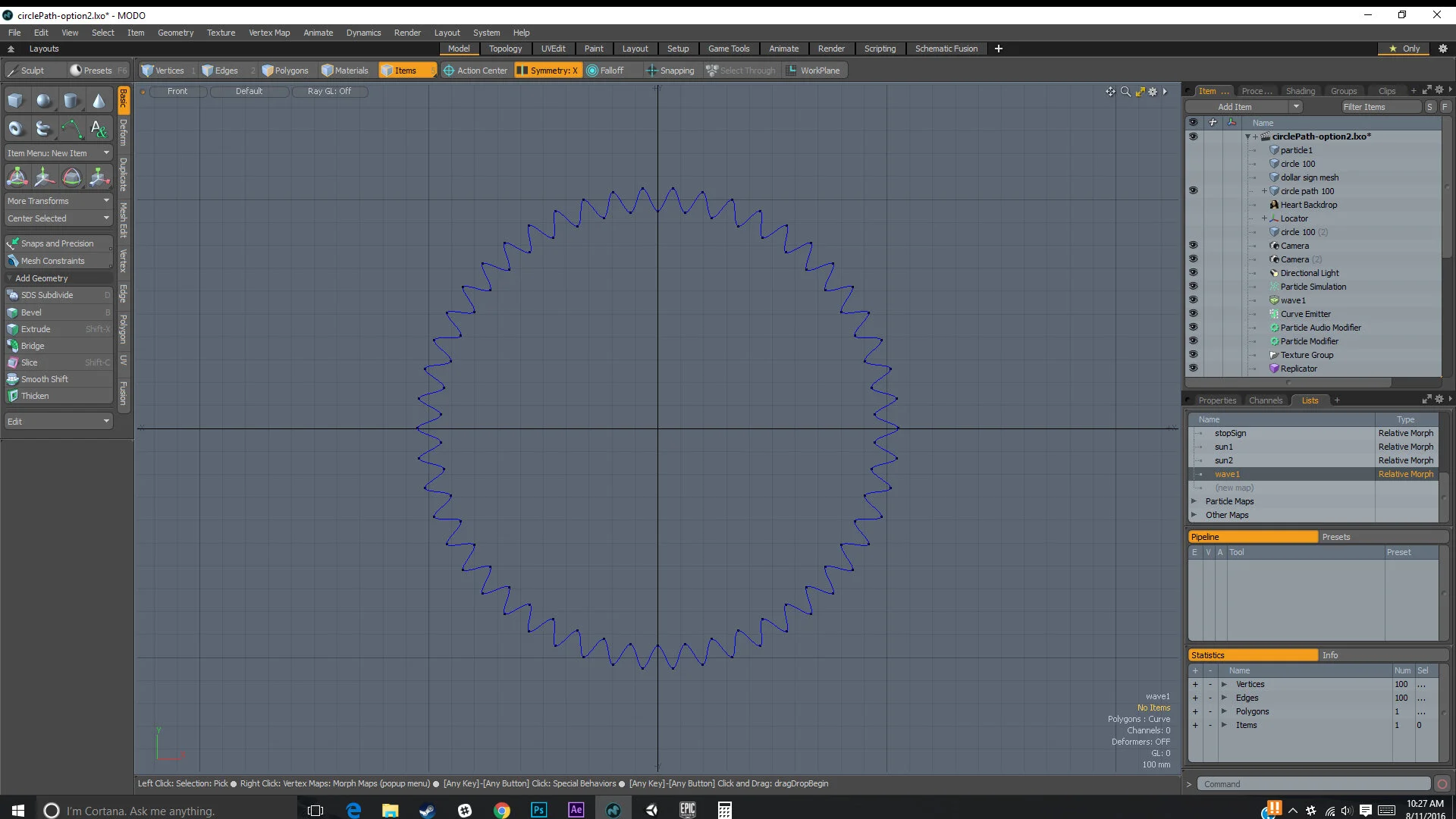
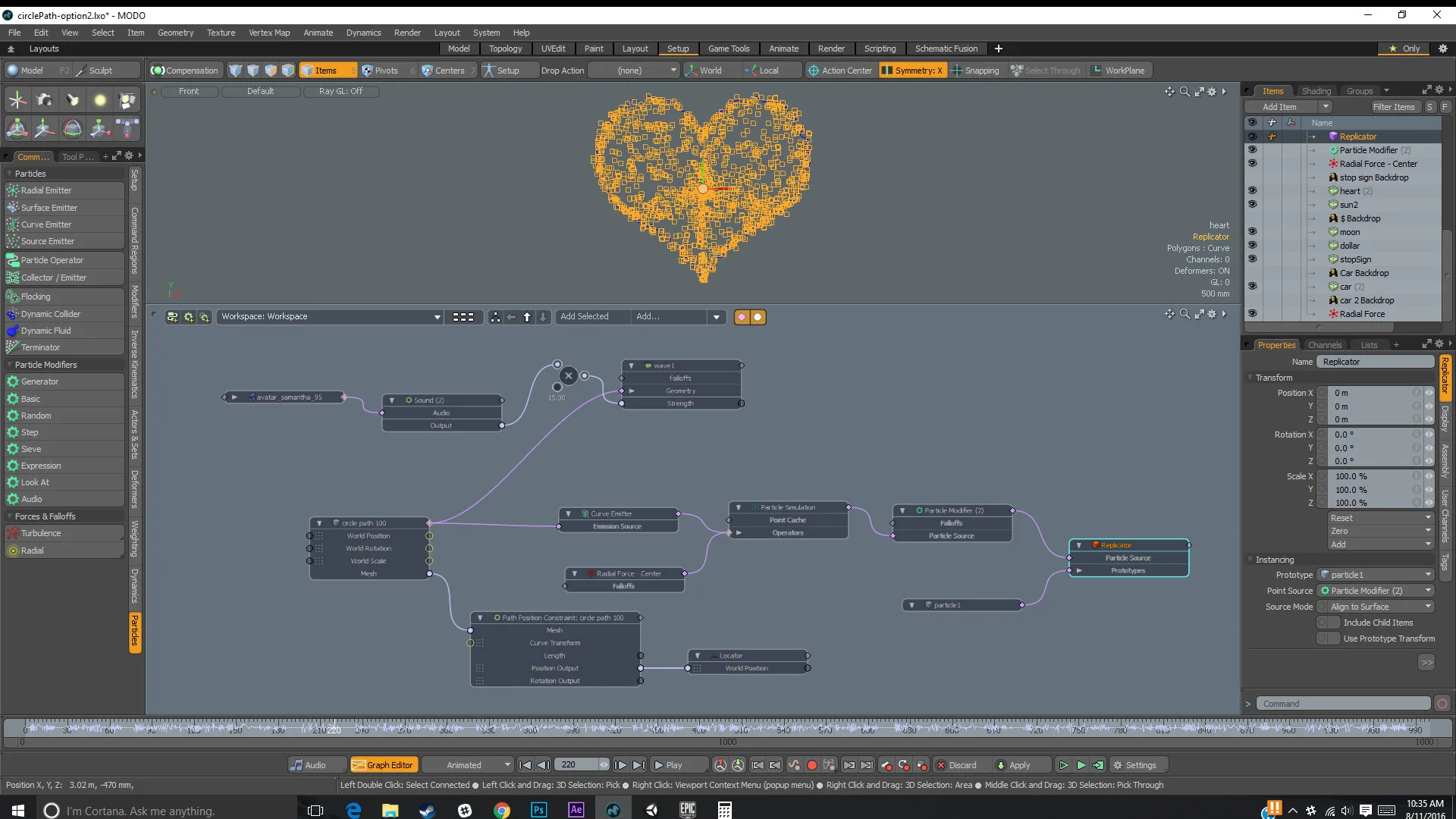
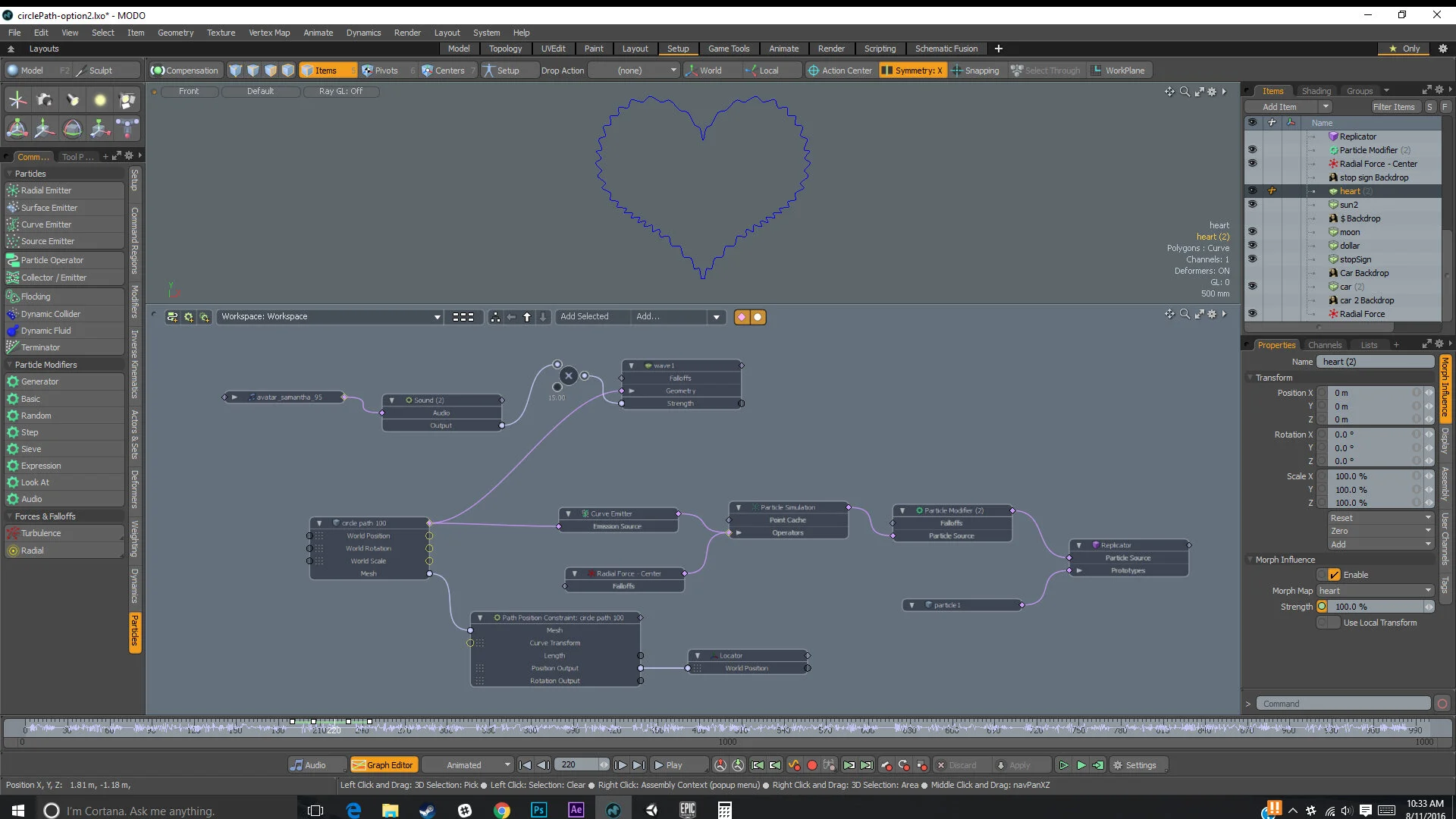
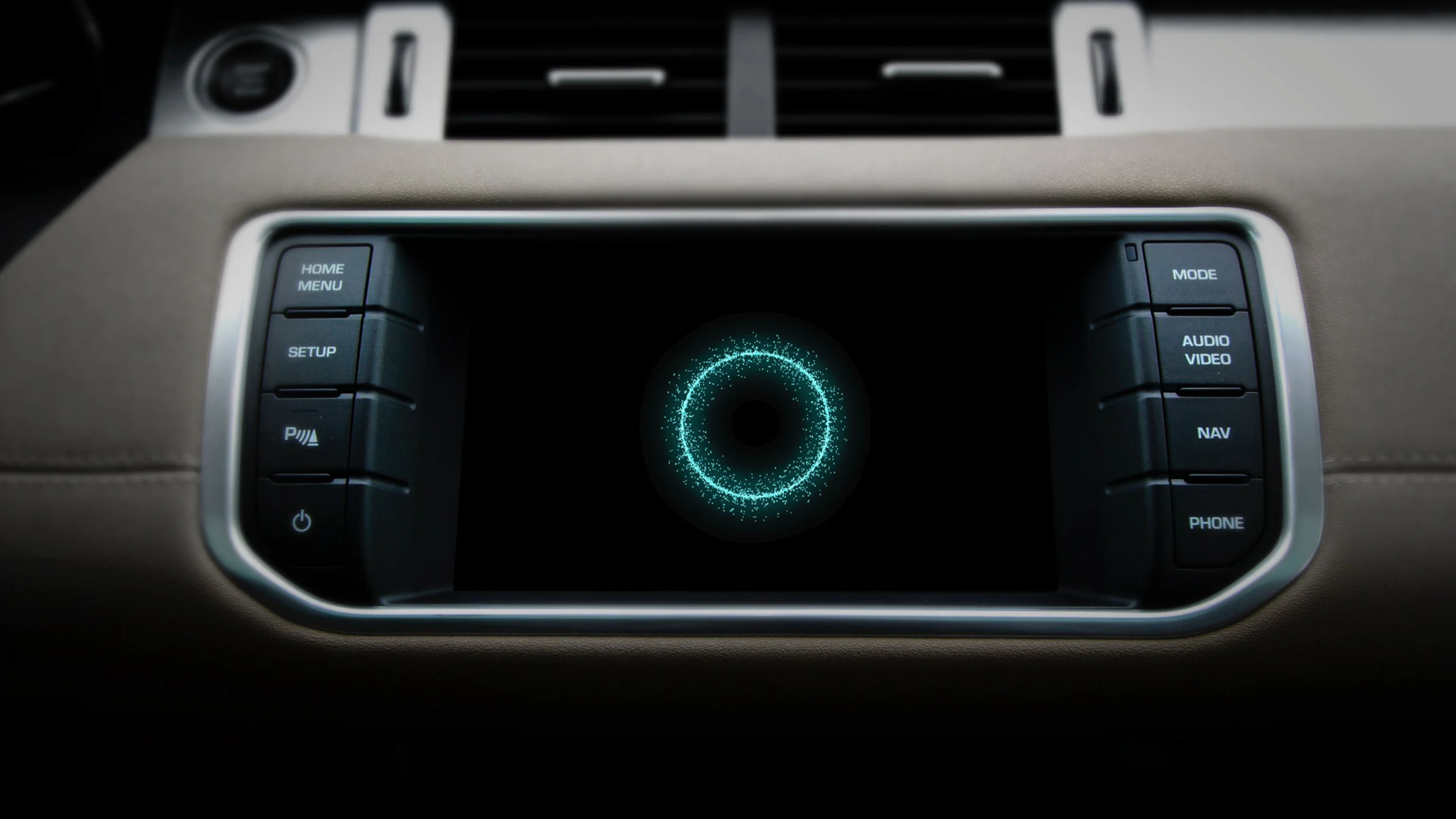
From these principles, we designed a scalable visual language of adaptive icons and motion behaviors, capable of representing different assistant states, emotions, and moments of interaction. To bring the system to life, we collaborated closely with 3D artists to develop a real-time particle simulation that dynamically morphed through form, density, and rhythm. The behavior was directly inspired by audio waveforms, allowing the assistant’s “voice” to be seen as much as heard. This created a multisensory feedback loop that reinforced trust, responsiveness, and clarity.